
6 September 2026 · 6 min read
Starting a blog for your cake shop or passion business? Pinterest marketing for small business takes time - here's the exact technical checklist and 90-day game plan so your posts actually get found.
You spent your Saturday afternoon writing the most gorgeous blog post about your signature lemon drizzle cake. You added beautiful photos, poured your heart into the story behind the recipe, and hit publish with a little flutter in your chest. Then… crickets. No traffic. No Pinterest saves. Nothing from Google. It's been two weeks and you're wondering if something is broken.
Here's the truth that nobody tells you when you're learning how to start blogging for beginners: your blog will likely be invisible for roughly 90 days. That's not a failure - it's completely normal. Google needs time to crawl, index, and trust your new site. Pinterest needs time to understand what your account is about. And both platforms reward consistency over time, not overnight miracles.
So let's talk about what to do during that quiet window - the technical setup that matters, the small business blog post ideas for Pinterest that will pay off later, and the mindset shift that keeps you going when it feels like you're shouting into the void.

Before you worry about keywords or pin designs, your website needs a solid technical backbone. Think of it like preheating your oven - skip it, and nothing rises properly. Here's your checklist:
Claim your website on Pinterest. This tells Pinterest you're a real business and unlocks analytics. Go to Settings → Claim → follow the steps for your domain.
Install an SEO plugin. If you're on WordPress, Yoast or Rank Math will walk you through adding meta titles, descriptions, and sitemaps. These help Google understand every page on your site.
Submit your sitemap to Google Search Console. This is free and essential. It's literally you telling Google, "Hey, my site exists - come look at it."
Make sure your site is mobile-friendly and fast. Google prioritises mobile experience, and most Pinterest users are browsing on their phones. Compress your images and choose a clean, lightweight theme.
Ask AI to review your website for SEO technical correctness. AI is good at reading html/css. Start with something like - "Audit [WEBSITE URL] for SEO, covering technical SEO (crawlability, Core Web Vitals, mobile-friendliness, schema markup, duplicate content), on-page elements (titles, meta descriptions, headings, internal linking), content quality and search intent match versus competitors [competitor URLs], and authority signals if you have access to that data. For every issue found, name the exact page it's on, explain the ranking impact, give a concrete fix, rate it Critical/High/Medium/Low by impact-versus-effort, and end with a top-10 prioritized action list."
These steps take an afternoon, but they lay the groundwork for everything that follows. Without them, you're essentially baking a cake without turning the oven on.
Pinterest isn't social media in the way Instagram is. It's a visual search engine, which means it behaves more like Google than like a feed. When you publish a new pin, Pinterest doesn't instantly know whether it's valuable. It tests your pin with a small audience first, watches how people interact with it, and gradually shows it to more users if the signals are positive.
Want to do this without the manual work?
PinFreshly converts your blog posts into Pinterest pin images automatically. Free to try.
This testing period typically takes 3–6 months for new accounts. Google works similarly - a brand-new domain has zero authority, and it takes consistent publishing for search engines to start ranking your pages. SEO experts call this the "sandbox" period, and it applies to cake shops, Etsy sellers, and every other small business starting fresh online.
The good news? Once you break through, the traffic compounds. A single well-optimised blog post can bring visitors for years. That lemon drizzle post you wrote in month one could become your top traffic driver in month six - but only if you keep going.
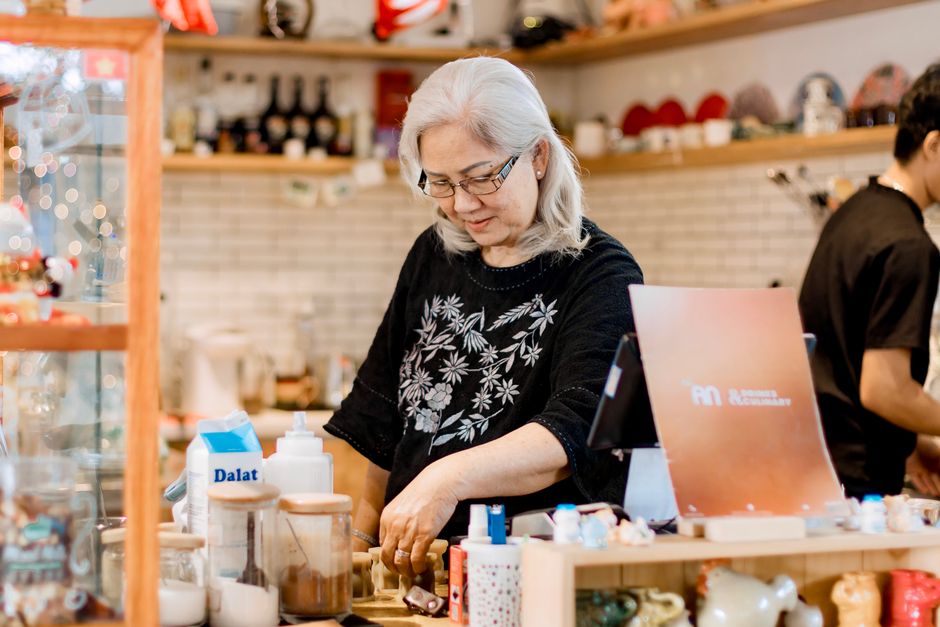
The 90-day window isn't wasted time - it's your runway. Use it to build a library of content that Pinterest and Google can index. Aim for one blog post per week (yes, just one!) and match each post with 2–3 fresh pin images. Here are content ideas tailor-made for a passion-based business like a cake shop:
"5 Questions to Ask Your Baker Before Ordering a Wedding Cake" - searchable, helpful, and positions you as the expert.
"What's the Difference Between Buttercream and Fondant?" - educational content performs brilliantly on Pinterest.
Behind-the-scenes posts - show your process, your workspace, your sourcing. People love the story behind the product.
Seasonal roundups - "Spring Cake Flavours That Sell Out Every Year" gives you a reason to re-pin seasonally.
Local guides - "The Best Afternoon Tea Spots in [Your Town]" can bring local SEO traffic and build community goodwill.
Every post you publish during this quiet period is a seed. You won't see the flowers immediately, but each one is being catalogued by search engines and starting to build your site's authority.
Here's where most small business owners hit a wall. You've written the post, but now you need tall, eye-catching pin graphics - and design isn't exactly your forte. Tools like PinFreshly can turn your blog posts into ready-to-pin images in seconds, so you can spend your time perfecting recipes instead of wrestling with templates. Once your images are ready, pin them to relevant boards (like a "Cake Decorating Ideas" board or a "Baking Tips" board) using Pinterest's built-in scheduler or a tool like Tailwind.
The single biggest mistake new bloggers make isn't writing bad content - it's stopping too soon. They publish eight posts, see no traffic, and conclude that blogging doesn't work. Meanwhile, the baker down the road who kept posting every week for six months is now getting 2,000 monthly visitors from Pinterest alone.
Here's your weekly rhythm for the first 90 days:
Monday: Write and publish one blog post, optimised with your SEO plugin.
Tuesday: Create 2–3 pin images for that post and schedule them to relevant boards.
Wednesday–Friday: Re-pin one older post to a new board or with a fresh image.
Weekend: Enjoy your life. Seriously. Sustainable beats intense every single time.
That's it. No six-hour content marathons. No complicated funnel strategies. Just steady, intentional work that compounds over time.
Around the 90-day mark, something shifts. You'll notice a trickle of impressions in Pinterest Analytics. Google Search Console will show your first organic clicks. A stranger will find your "buttercream vs. fondant" post and place an order for a birthday cake. It's a small moment, but it proves the whole system works.
From here, your job is simple: keep going. Review your analytics to see which posts get the most traction, then write more content in that vein. Double down on what works. Create fresh pin images for your best-performing posts to give them new life in the feed.
Your cake shop blog isn't a sprint - it's a slow rise. And just like your best cakes, the results are worth the wait. Set your timer, trust the process, and keep showing up. Ninety days from now, you'll be so glad you did.
Share this post
Enjoyed this? Get more like it.
Weekly Pinterest tips for bloggers. Unsubscribe anytime.
Check your email to confirm ✓
Something went wrong. Please try again.
Still creating pins manually?
Every blog post you publish without pins is traffic left on the table.
PinFreshly turns your RSS feed into branded pin images in seconds — free to start, no card required.

24 October 2026
Your pins get tapped, yet nobody reaches your blog. The likely culprit: you've already given readers everything they came for. Here's the fix.

19 October 2026
Your styled room photos might be invisible to Pinterest's matching tools. Two well-written sentences on every pin could change that.

17 October 2026
Your December posts aren't done working. These 5 steps turn holiday content into new year reset pins in one quiet afternoon between Christmas and New Year.