
2 May 2026 · 5 min read
Most bloggers blame the algorithm when their pins flop - but a quick 5-minute audit usually reveals the real culprits hiding in plain sight.
You're publishing blog posts consistently. You're showing up on Pinterest. You're doing the things everyone says to do - and yet your clicks are basically a flatline. Sound familiar?
Here's what I've learned after watching hundreds of bloggers troubleshoot their Pinterest traffic: the problem is almost never the algorithm. It's almost always something specific and fixable that's sitting right there in your profile, your pins, or your strategy. And you can spot it in about five minutes.
This pinterest audit for bloggers takes you through five quick checkpoints. Grab your phone, open your Pinterest profile, and let's figure out exactly where your clicks are leaking.
Open your Pinterest profile as if you've never seen it before. In three seconds, can you tell exactly who this account helps and what kind of content they'll find here?
If your bio says something vague like "lover of all things beautiful ✨" - that's a problem. Pinterest is a search engine first. Your profile name and bio need to include the words your ideal reader is actually searching for.
Profile name fix: Add a keyword-rich descriptor after your name. "Sarah | Easy Weeknight Dinner Recipes" beats "Sarah's Kitchen" every time.
Bio fix: Lead with what readers GET from following you, not who you are. "Quick family recipes that taste like you spent hours" tells someone exactly why they should stick around.
Board check: Scroll your boards. Are the titles generic ("Yummy Food") or search-friendly ("30-Minute Chicken Dinners")? Rename any board that doesn't contain a term someone would actually type into the search bar.
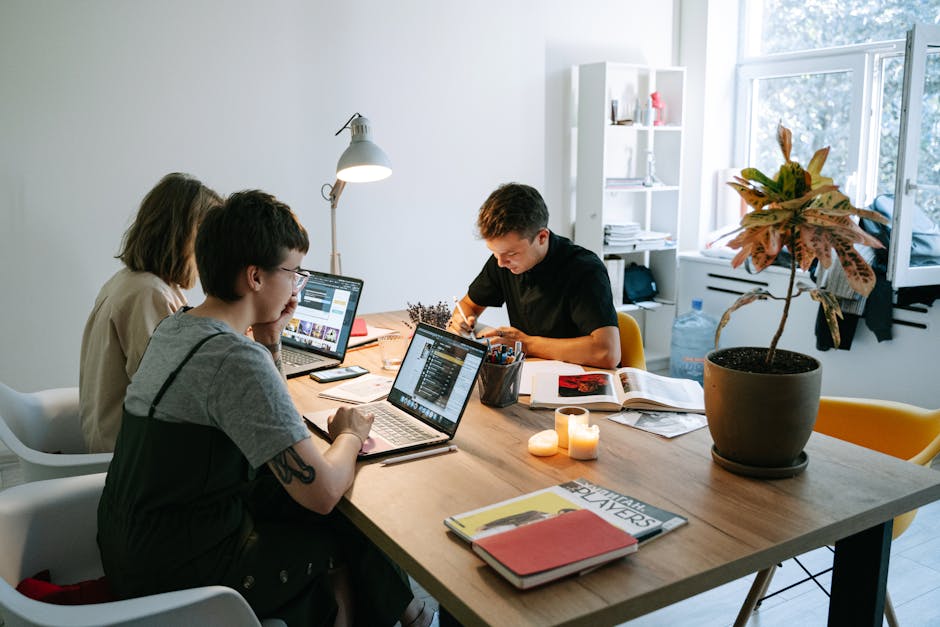
This is where most pinterest not getting clicks problems live. Pull up your most recent 10 pins and be brutally honest: do they look like something you'd stop scrolling for?
Text overlay is readable at thumbnail size. If you have to squint or zoom in on mobile, the text is too small or too busy. Aim for 5–8 words max in your main headline.
There's a clear visual hierarchy. Your eye should land on the headline first, a supporting detail second, and your URL or logo third. If everything competes for attention, nothing wins.
Colors contrast with the Pinterest feed. Soft pastels can get lost. Bold text on a clean background, or a high-contrast photo with a strong overlay, tends to pop.
The image is 2:3 ratio (1000×1500 px). Anything else gets awkwardly cropped or squished in the feed, costing you visibility.
Creating scroll-worthy pins for every single blog post is genuinely exhausting - it's one of the biggest reasons bloggers fall off their Pinterest strategy entirely. Tools like PinFreshly can help by turning your blog posts into ready-to-pin images automatically, so you're not spending an hour in Canva every time you publish.
Want to do this without the manual work?
PinFreshly converts your blog posts into Pinterest pin images automatically. Free to try.
Click into a few of your recent pins and read the titles and descriptions. Are they optimized for search, or are they basically your blog post title copy-pasted?
Here's the difference that matters:
Blog post title: "My Favorite Fall Soup" - cute, personal, works on your blog.
Pinterest pin title: "Creamy Butternut Squash Soup Recipe (Ready in 30 Minutes)" - specific, keyword-rich, tells the searcher exactly what they'll get.
For descriptions, write 2–3 natural sentences that include your target keywords and a reason to click. Think of it like writing the back cover of a book - give enough to intrigue, not enough to satisfy. End with a subtle call to action like "Tap to grab the full recipe."
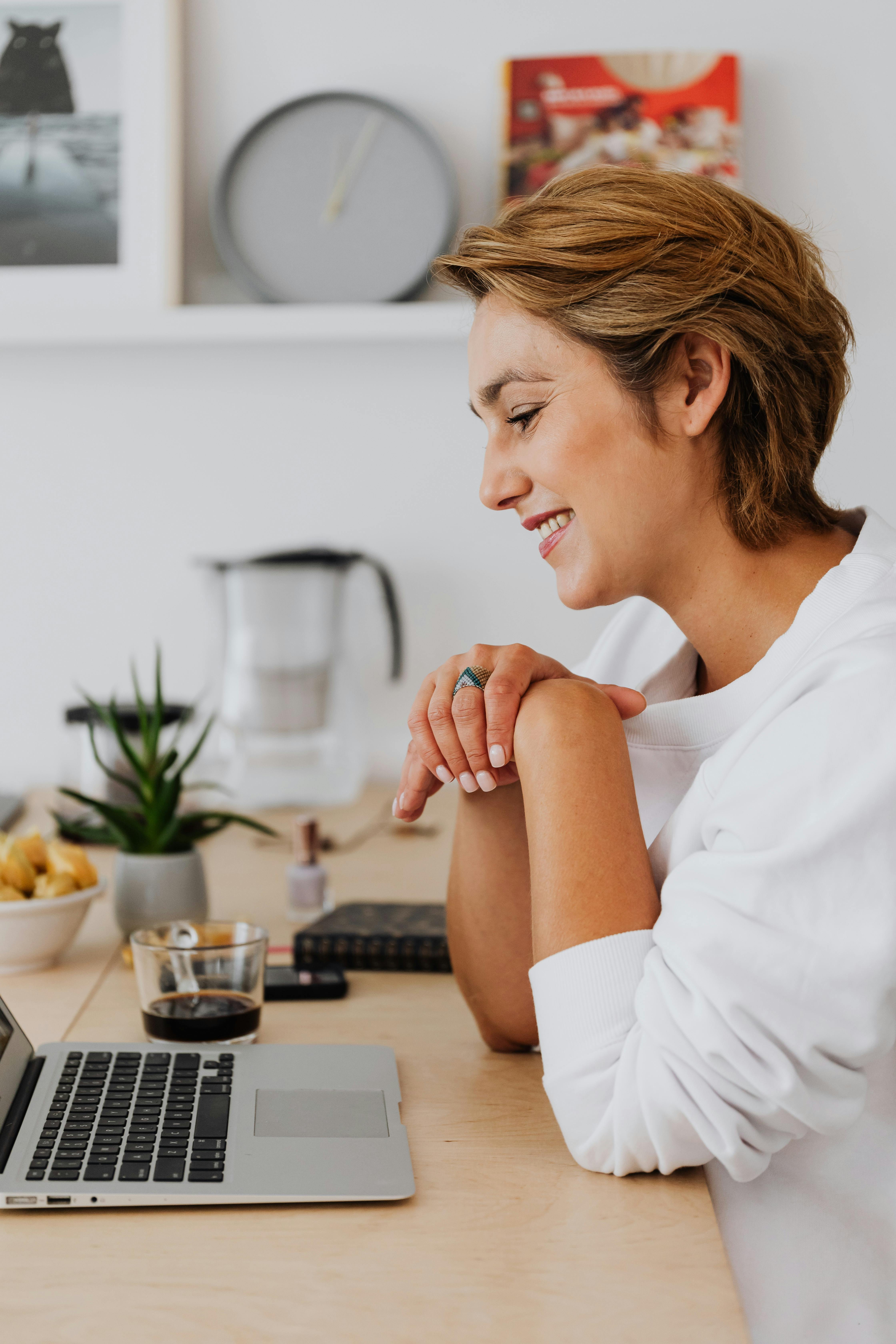
Here's a pinterest blog traffic tip most people overlook: even if your pin IS getting clicks, Pinterest tracks what happens next. If people click through and immediately bounce, Pinterest notices - and it stops showing your pin to new people.
Click through a few of your own pins to your blog and check:
Does the page load in under 3 seconds? Slow pages kill your click-through AND your rankings.
Does the content match the pin's promise? If your pin says "15 Easy Freezer Meals" and the blog post is buried under a 500-word personal story before the list, readers leave.
Is the page mobile-friendly? Over 80% of Pinterest users are on their phones. If your site is clunky on mobile, you're losing the vast majority of your potential traffic.
Last one. Look at your recent activity. When was the last time you pinned something? If there's a gap of more than a few days, that's a red flag.
Pinterest rewards consistent activity over bursts of effort. You don't need to pin 30 times a day like it's 2018 - but pinning 5–10 fresh pins per week, steadily, is far more effective than dumping 50 pins on Monday and vanishing until next month.
Create 2–3 fresh pin images per blog post (different designs, different headlines).
Spread them out over several days using Pinterest's built-in scheduler or your preferred scheduling tool.
Prioritize fresh content over repins of other people's stuff. Pinterest has made it clear: original pins get priority.
This is another spot where having your pin images auto-generated saves you - if creating the images isn't a bottleneck, you're far more likely to actually stay consistent.
Run through these five checkpoints right now and write down every issue you spot. Then pick the ONE that you think is costing you the most clicks and fix it this week. Not all five at once - just the biggest leak first.
✅ Profile passes the 3-second clarity test
✅ Pin images are readable, bold, and properly sized
✅ Pin titles and descriptions are keyword-optimized
✅ Landing pages load fast, match the pin, and work on mobile
✅ Pinning activity is steady and consistent
The bloggers who get real traffic from Pinterest aren't doing anything magical. They've just identified and patched these exact leaks - usually one at a time, over a few weeks. Your audit starts now. Open your profile, work through the five checkpoints, and fix the biggest thing first. That one change might be all that's standing between you and the clicks you've been waiting for.
Share this post
Enjoyed this? Get more like it.
Weekly Pinterest tips for bloggers. Unsubscribe anytime.
Check your email to confirm ✓
Something went wrong. Please try again.
Still creating pins manually?
Every blog post you publish without pins is traffic left on the table.
PinFreshly turns your RSS feed into branded pin images in seconds — free to start, no card required.

24 October 2026
Your pins get tapped, yet nobody reaches your blog. The likely culprit: you've already given readers everything they came for. Here's the fix.
19 October 2026
Your styled room photos might be invisible to Pinterest's matching tools. Two well-written sentences on every pin could change that.
17 October 2026
Your December posts aren't done working. These 5 steps turn holiday content into new year reset pins in one quiet afternoon between Christmas and New Year.